



Retention starts with the right storage policy
Choose the retention boundary
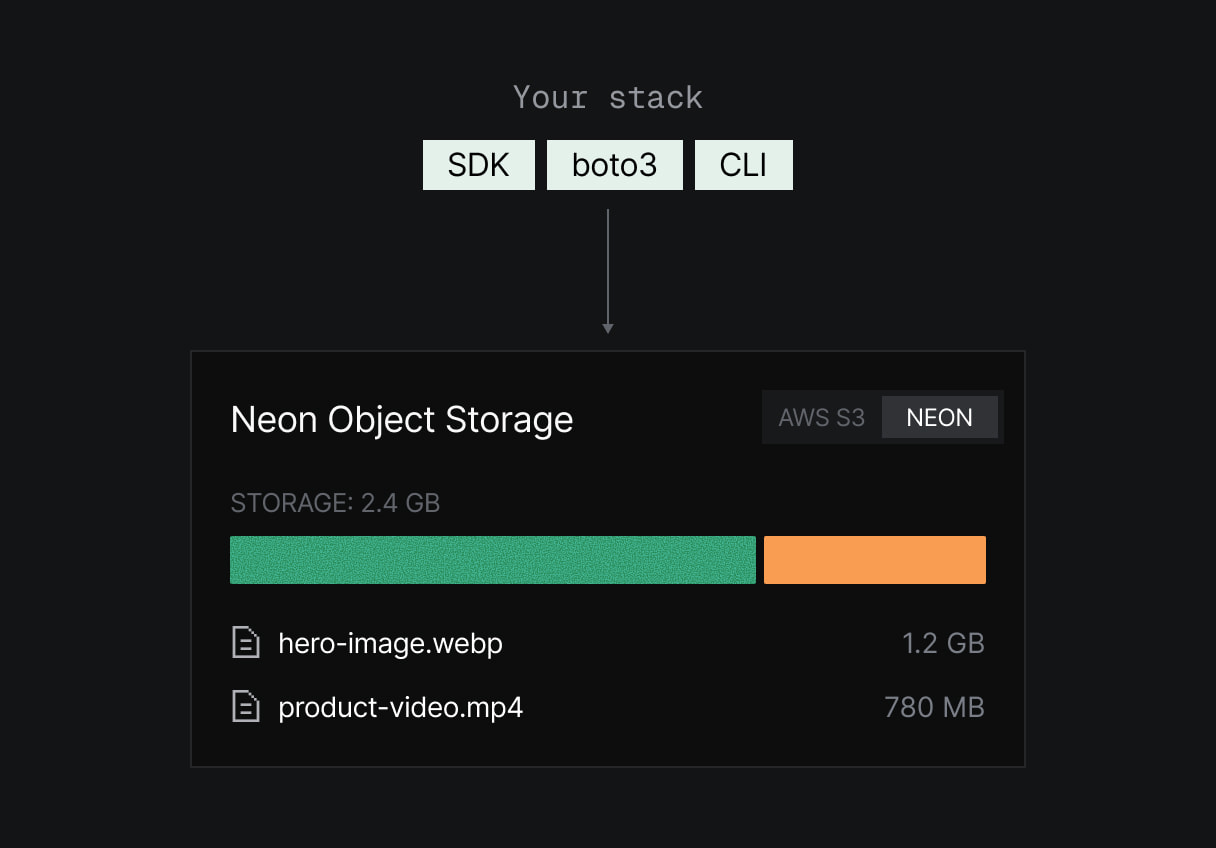
- S3 compatible
Asset ownership
Document how much data loss and interruption the workload can tolerate. Translate those objectives into testable recovery checks.
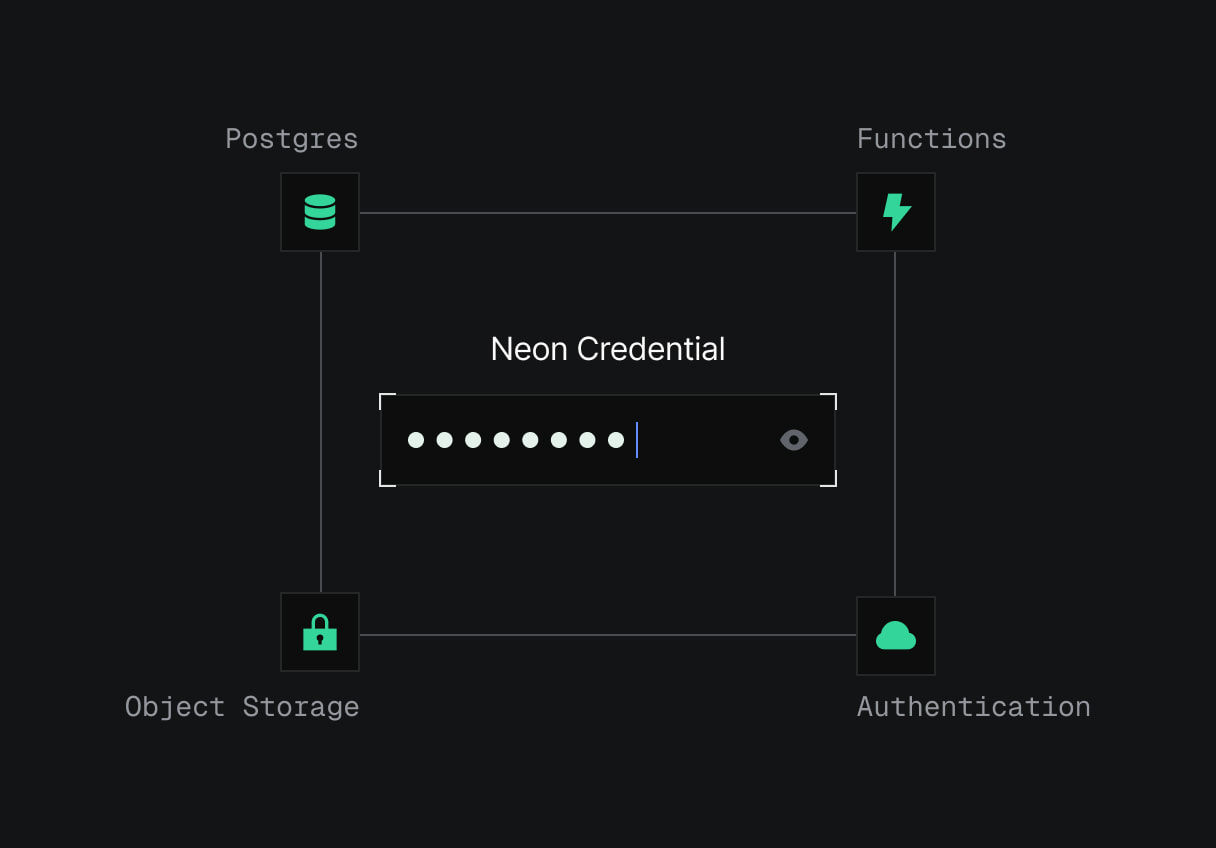
- One credential
Identity and access
Identify the source, data owner, retention policy and authorized restore destination. A policy becomes operational only when the corresponding connector is released.
- Branchable storage
Approved scope
A completed copy is not a successful recovery. Validate identity, data integrity, dependencies and application behavior in an isolated drill.
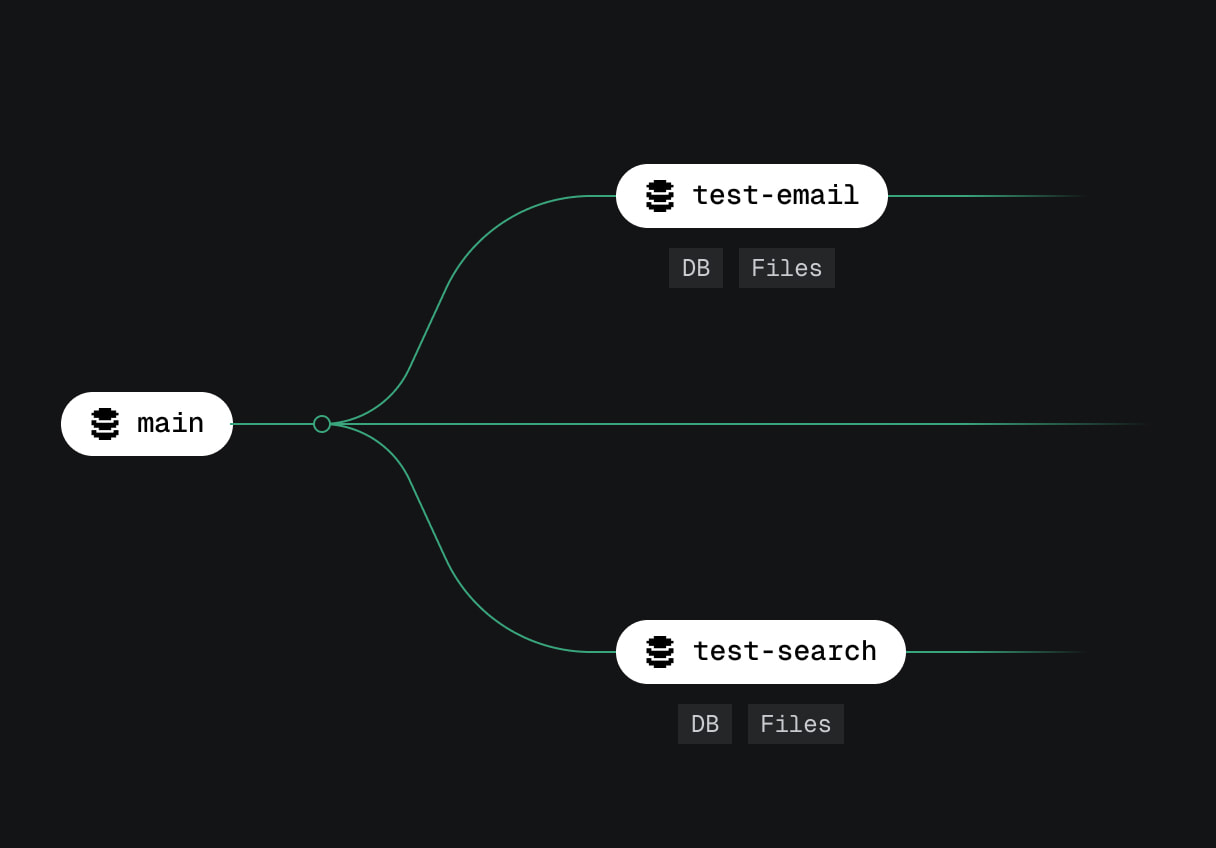
Separate storage from recovery assurance
Operating evidence
Record the policy revision, approval and measured outcome. Separate a planned capability from a verified recovery result.
Retention policy
Assign responsibility for the incident, recovery approval and service validation. Keep rollback and communication requirements in the plan.
Key custody
Recovery performance, durability and availability need representative tests and applicable contracts. Reference artwork and diagrams do not establish a guarantee.
Encryption and key ownership
# Planning example — no product CLI has been released
asset: application-example
owner: workload-owner
environment: staging
action: review-only
Data location
Document how much data loss and interruption the workload can tolerate. Translate those objectives into testable recovery checks.
connector_not_releasedValidation checks
Identify the source, data owner, retention policy and authorized restore destination. A policy becomes operational only when the corresponding connector is released.
connector_not_released.env.localFailure handling
A completed copy is not a successful recovery. Validate identity, data integrity, dependencies and application behavior in an isolated drill.
Deletion and lifecycle policy
Identify the source, data owner, retention policy and authorized restore destination. A policy becomes operational only when the corresponding connector is released. Existing account forms use IAM Central; the current console uses Elpixe Dashkit.
Last updated on
Storage planning questions
Choose the retention boundary
Record the policy revision, approval and measured outcome. Separate a planned capability from a verified recovery result.

Change approval
Assign responsibility for the incident, recovery approval and service validation. Keep rollback and communication requirements in the plan.

Audit trail
Recovery performance, durability and availability need representative tests and applicable contracts. Reference artwork and diagrams do not establish a guarantee.

Release readiness
Document how much data loss and interruption the workload can tolerate. Translate those objectives into testable recovery checks.
Separate storage from recovery assurance
Recovery objectives
Identify the source, data owner, retention policy and authorized restore destination. A policy becomes operational only when the corresponding connector is released.
Environment boundaries
A completed copy is not a successful recovery. Validate identity, data integrity, dependencies and application behavior in an isolated drill.
A useful workflow makes the owner, authorization, evidence and validation visible. Illustrative product principle; no customer endorsement is claimed.

Encryption and key ownership
Record the policy revision, approval and measured outcome. Separate a planned capability from a verified recovery result.