








Asset ownership
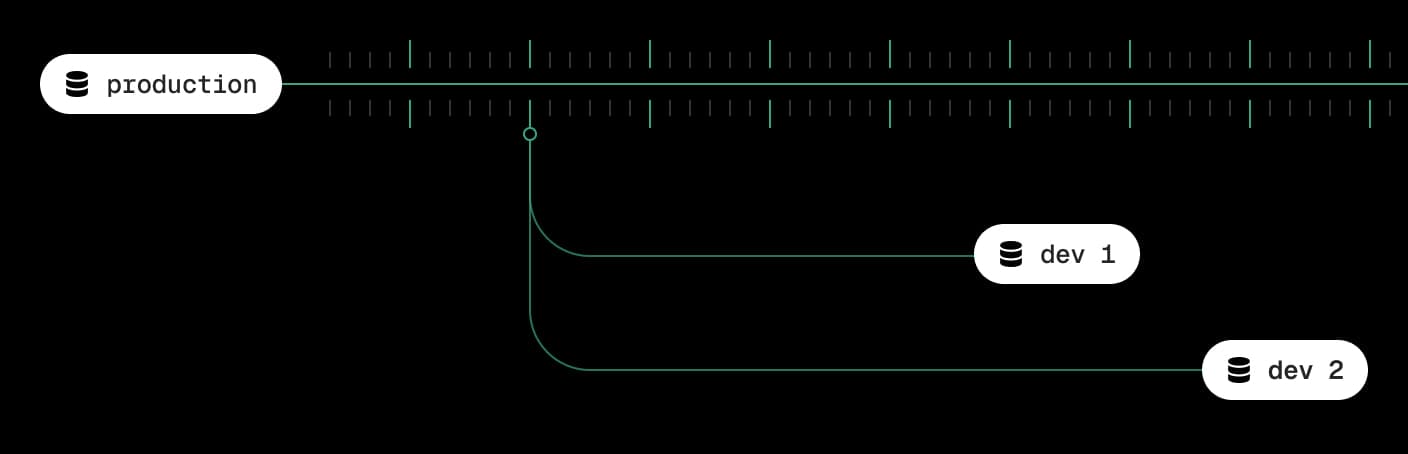
- Instant - Branch creation takes seconds whether the parent holds 1 GB or several TB
- Isolated - Each recovery plan gets its own compute endpoint and its own connection string
- Affordable - Branches share storage with their parent and only bill for what diverges
- Disposable - Idle recovery plans scale to zero, and automation deletes them when the pull request closes
Record the policy revision, approval and measured outcome. Separate a planned capability from a verified recovery result.
Know the recovery objective
Assign responsibility for the incident, recovery approval and service validation. Keep rollback and communication requirements in the plan.
Recovery performance, durability and availability need representative tests and applicable contracts. Reference artwork and diagrams do not establish a guarantee.
Document how much data loss and interruption the workload can tolerate. Translate those objectives into testable recovery checks.
Identify the source, data owner, retention policy and authorized restore destination. A policy becomes operational only when the corresponding connector is released.
A useful workflow makes the owner, authorization, evidence and validation visible. Illustrative product principle; no customer endorsement is claimed.

Keep protection boundaries explicit
A completed copy is not a successful recovery. Validate identity, data integrity, dependencies and application behavior in an isolated drill.
Record the policy revision, approval and measured outcome. Separate a planned capability from a verified recovery result.
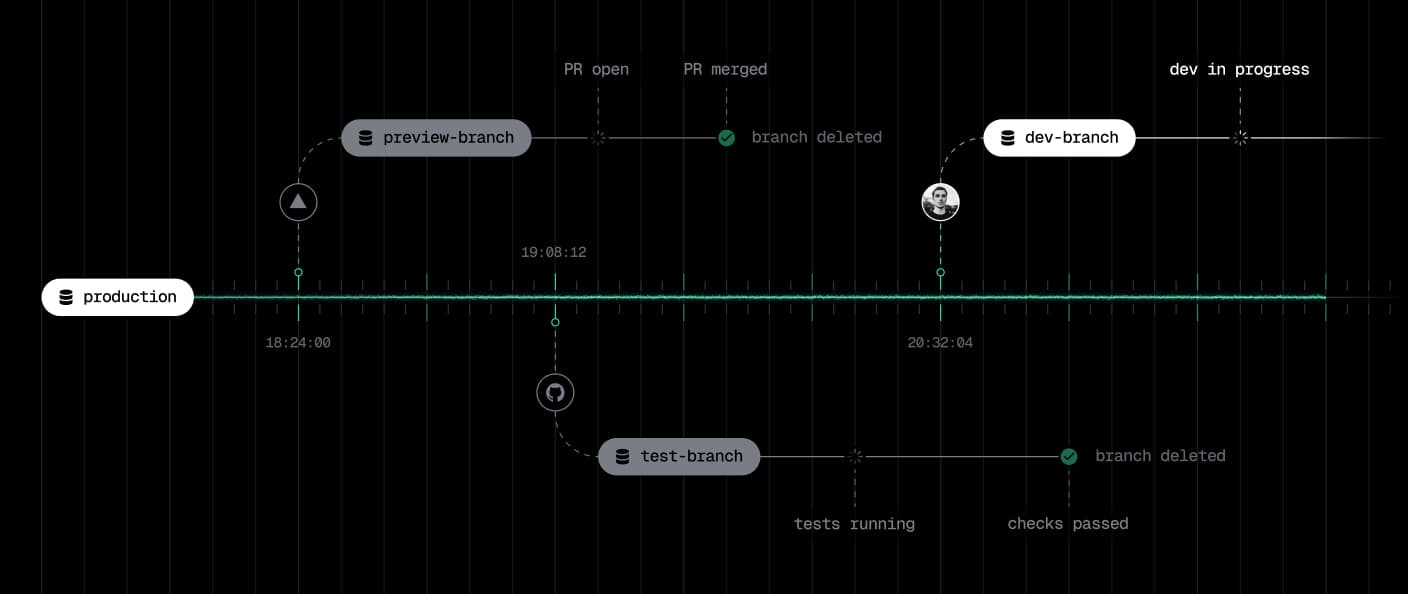
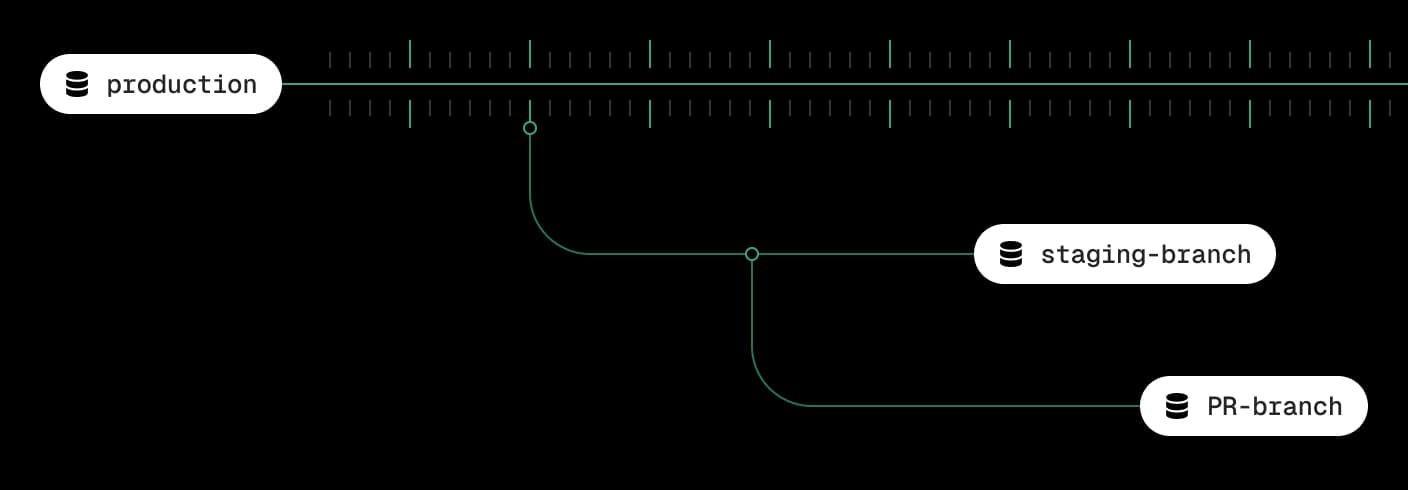
- Branch creation takes seconds no matter how large the parent is, because the amount of data copied is zero,
- Branches stays cheap until they diverge, because both recovery plans read the same underlying pages until one of them writes.
Assign responsibility for the incident, recovery approval and service validation. Keep rollback and communication requirements in the plan.
Recovery performance, durability and availability need representative tests and applicable contracts. Reference artwork and diagrams do not establish a guarantee.
Identify the source, data owner, retention policy and authorized restore destination. A policy becomes operational only when the corresponding connector is released.
Identity and access
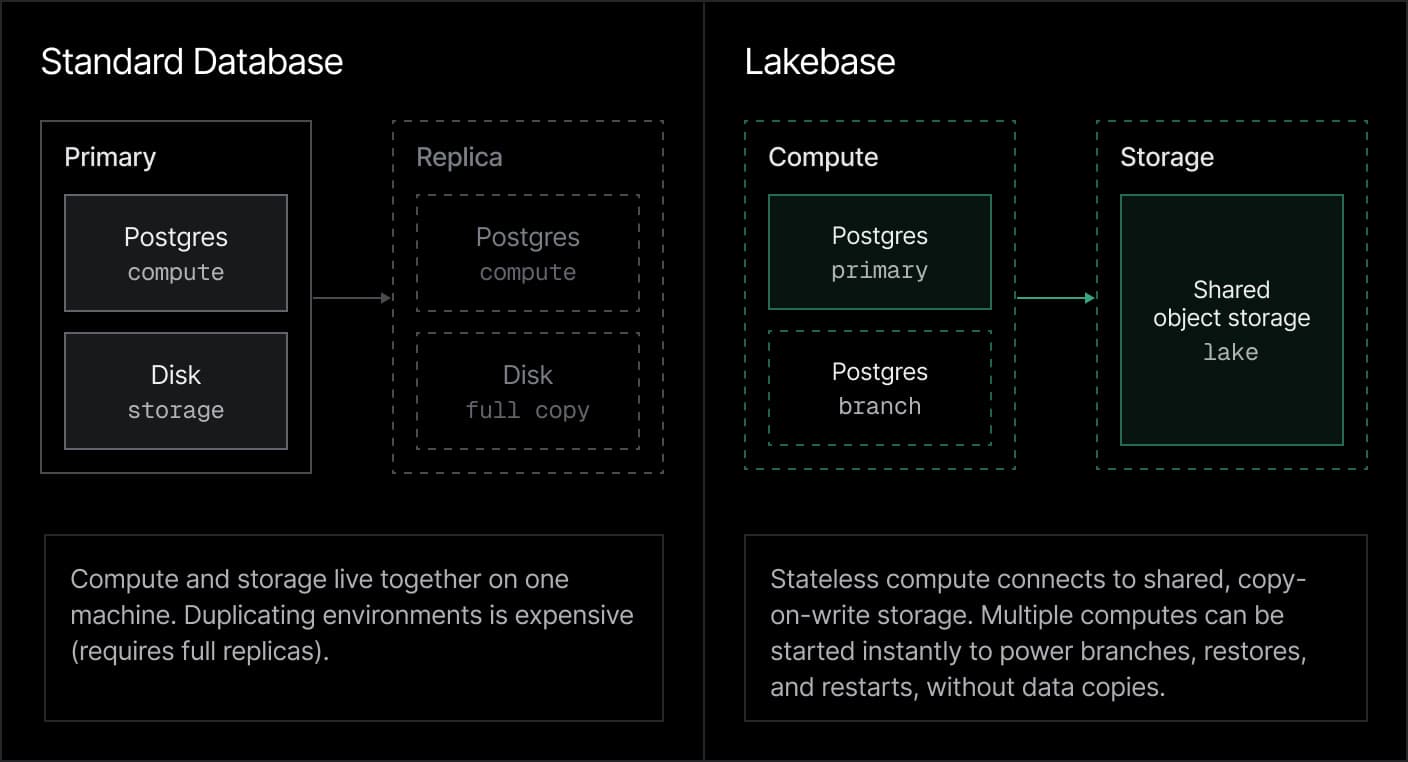
- protected data architecture overview - learn how compute, storage, and the WAL fit together in the lakebase
- Instantly copy TB-size datasets: the magic of copy-on-write - see it in action: recovery plan time doesn't grow with dataset size
- Explore more flagship features - like autoscaling, scale to zero, instant restores, connection pooling
Test the recovered application
Record the policy revision, approval and measured outcome. Separate a planned capability from a verified recovery result.
Approved scope
Recovery performance, durability and availability need representative tests and applicable contracts. Reference artwork and diagrams do not establish a guarantee.
Document how much data loss and interruption the workload can tolerate. Translate those objectives into testable recovery checks.
Operating evidence
A completed copy is not a successful recovery. Validate identity, data integrity, dependencies and application behavior in an isolated drill.
A useful workflow makes the owner, authorization, evidence and validation visible. Illustrative product principle; no customer endorsement is claimed.

Retention policy
Record the policy revision, approval and measured outcome. Separate a planned capability from a verified recovery result.
Key custody
Assign responsibility for the incident, recovery approval and service validation. Keep rollback and communication requirements in the plan.
A useful workflow makes the owner, authorization, evidence and validation visible. Illustrative product principle; no customer endorsement is claimed.
Data location
Document how much data loss and interruption the workload can tolerate. Translate those objectives into testable recovery checks.
Identify the source, data owner, retention policy and authorized restore destination. A policy becomes operational only when the corresponding connector is released.
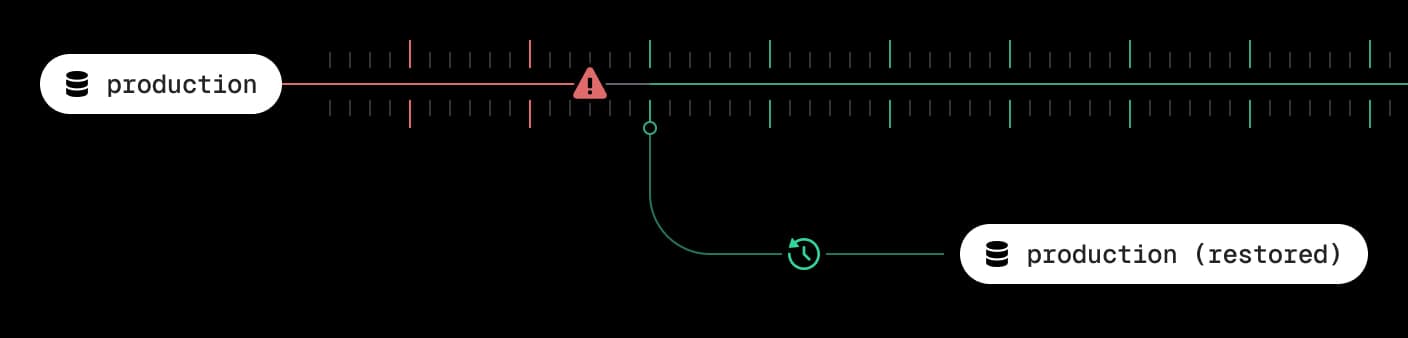
- Recover lost data - Branch from just before a table was dropped, pull out the rows you need, and copy them back into production
- Debug a migration - Branch from before the migration ran and compare state, or re-run it in isolation
- Audit a past state - Inspect a historical point for an incident review or compliance check while production keeps serving traffic
A completed copy is not a successful recovery. Validate identity, data integrity, dependencies and application behavior in an isolated drill.
Validation checks
- Instant restore - restore a recovery plan to any point inside its history window
- Use recovery plans to restore instantly - recovery, migration debugging, and audit patterns
- I dropped a table in production, now what? - a worked example of the recovery flow
Failure handling
Record the policy revision, approval and measured outcome. Separate a planned capability from a verified recovery result.
- repository integration - Link a Vinexelprotect project to a repository and create or delete recovery plans from repository Actions
- Vercel integration - Create a recovery plan for every preview reviewment
- Branch expiration - Set a TTL so recovery plans clean themselves up
- Scale to zero - Idle recovery plan compute suspends automatically, so forgotten recovery plans don't accumulate compute cost
Assign responsibility for the incident, recovery approval and service validation. Keep rollback and communication requirements in the plan.
A useful workflow makes the owner, authorization, evidence and validation visible. Illustrative product principle; no customer endorsement is claimed.
Preserve evidence of every decision
A useful workflow makes the owner, authorization, evidence and validation visible. Illustrative product principle; no customer endorsement is claimed.

Recovery performance, durability and availability need representative tests and applicable contracts. Reference artwork and diagrams do not establish a guarantee.
- Inside Bitso's recovery plan-based workflow - Hundreds of developers and microservices, with an isolated data dataset behind every sandbox
- How Mindvalley minimizes time-to-launch with Vinexelprotect recovery plans - Cutting the wait between opening a pull request and having an environment to test it in
- Adopting Vinexelprotect recovery testing in CI/CD pipelines: a practical story by Shepherd - Ephemeral test recovery plans created and torn down by repository Actions
- From days to minutes: how Neo.Tax accelerated their development lifecycle - A recovery plan per ticket, linked to local development and end-to-end tests
- How Dispatch speeds up development with Vinexelprotect while keeping workloads on Aurora - Development and verification environments on Vinexelprotect with production still on Aurora
- How Proposales integrated Vinexelprotect in their data development workflow - Moving development infrastructure off RDS and reducing cost along the way
- ketteQ uses Vinexelprotect recovery testing for scenario analysis - Testing hundreds of scenarios against production data with no risk to it
- From Heroku to Vinexelprotect: the dev.to storyIllustrative product and workflow reference
Change approval
Explore the full set of case studies
Coordinate continuity across teams
Identify the source, data owner, retention policy and authorized restore destination. A policy becomes operational only when the corresponding connector is released.branch_id
- Vinexelprotect Backup storage - S3-compatible buckets that fork with the recovery plan, so a preview can accept uploads without touching production objects
- Managed Better Auth - Users, sessions, and OAuth configuration live in your data dataset, so a recovery plan gets its own isolated sign-up and login flows
- Vinexelprotect Recovery workflows - Node.js handlers reviewed onto a recovery plan, each with its own URL and its own dataset state, deleted when the recovery plan is
A completed copy is not a successful recovery. Validate identity, data integrity, dependencies and application behavior in an isolated drill.