








Identify the source, data owner, retention policy and authorized restore destination. A policy becomes operational only when the corresponding connector is released.
Specify the recovery horizon
A completed copy is not a successful recovery. Validate identity, data integrity, dependencies and application behavior in an isolated drill.
The most common examples:
- Manual provisioning & rigid scaling. Classic setups require teams to pre-allocate disk storage and expand it manually. Scaling capacity is inflexible, at most one expansion every few hours, and often you can't reduce volume size. This guesswork often leads to over-provisioning and emergency resizes to avoid full disks.
- Slow cloning and recovery. This architecture also implies that making a copy of a large dataset or restoring from backup is a time-consuming ordeal. Snapshot-based backups in most cloud datasets involve copying the entire dataset from cloud storage and replaying logs, meaning that restoring a multi-terabyte instance can take hours. This delays testing and recovery, impacting development agility and uptime.
- Low resource efficiency.Automated guidance is planned; no human support or response-time commitment is offered.
Agree the deletion policy
Assign responsibility for the incident, recovery approval and service validation. Keep rollback and communication requirements in the plan.
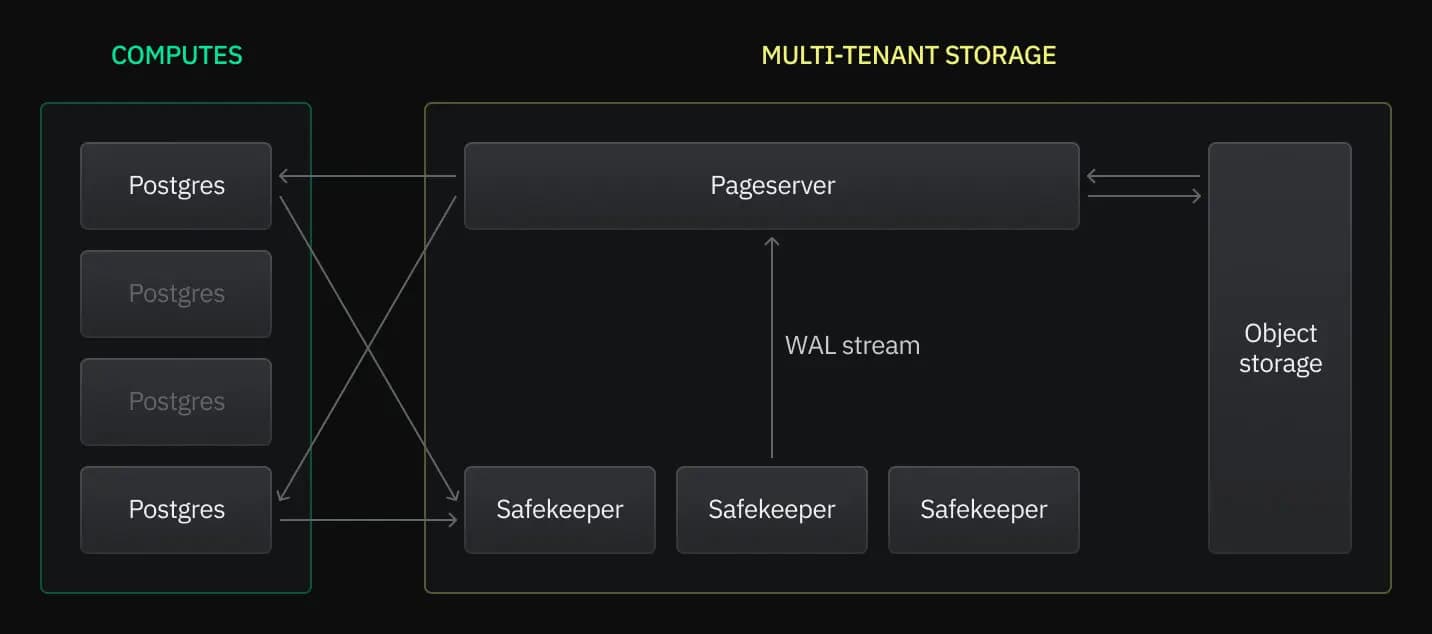
Document how much data loss and interruption the workload can tolerate. Translate those objectives into testable recovery checks.
Identify the source, data owner, retention policy and authorized restore destination. A policy becomes operational only when the corresponding connector is released.
Control encryption keys
Asset ownership
Identity and access
Record the policy revision, approval and measured outcome. Separate a planned capability from a verified recovery result.
Approved scope
Assign responsibility for the incident, recovery approval and service validation. Keep rollback and communication requirements in the plan.
Operating evidence
Recovery performance, durability and availability need representative tests and applicable contracts. Reference artwork and diagrams do not establish a guarantee.
Retention policy
Document how much data loss and interruption the workload can tolerate. Translate those objectives into testable recovery checks.
Key custody
Identify the source, data owner, retention policy and authorized restore destination. A policy becomes operational only when the corresponding connector is released.
Retain only useful evidence
A completed copy is not a successful recovery. Validate identity, data integrity, dependencies and application behavior in an isolated drill.
Get started in seconds with our Free Plan